How to Get the Most Out of an Online Tarot Reading
Ten practical tips for before, during and after an online reading – so you finish with insight and a next step, not just a list of card meanings.
An online Tarot reading can be as meaningful as one at a table – if you approach it with the same care. The difference between a forgettable reading and a helpful one usually comes down to a few minutes of preparation and how you read the result. Here are ten practical tips.
Before the reading
1. Choose a calm moment
Reading on your phone between meetings rarely works well. Pick a time when you can give the reading ten undistracted minutes. A quiet room, a cup of tea and notifications switched off make a real difference.
2. Know what you want to explore
Before you open the reading, ask yourself what is really on your mind. Not "everything", but the one situation that keeps returning to your thoughts. If you have several, choose the one that feels most urgent today.
3. Pick a question that matches your need
Do you need a direction (an overview question), a clear leaning (yes or no), a sense of timing, or practical advice? Choosing the right type of question shapes the whole answer. Our guide on asking better Tarot questions has examples.
During the reading
4. Describe your situation honestly and specifically
This is the single biggest factor in a personal reading. Compare:
- "Work is bad."
- "I have been at the same company for five years. My manager left, the new one micromanages, and I am starting to dread Mondays. I have savings for three months."
The second gives every card something real to connect to. Include who is involved, what has happened, how you feel and what you are hoping for. Leave out names and contact details.
5. Choose the spread that fits
One card is ideal for daily guidance or a simple question. Three cards give you the situation, the challenge and the direction – better for anything with layers.
6. Take your time choosing cards
When you pick your cards, slow down. Hold your question in mind and choose the cards that draw your eye. It is a small ritual, but it helps you arrive in the reading rather than rushing through it.
Reading the result
7. Start with the answer, then the why
Read the direct answer first, then the explanation of how the cards lead to it. If the answer surprises you, the card-by-card section usually shows why.
8. Notice what resonates – and what does not
Not every sentence will fit perfectly. Mark the parts that feel true and the parts that do not. Both are informative: a strong "no, that's not it" often reveals what is going on.
9. Look at the cards themselves
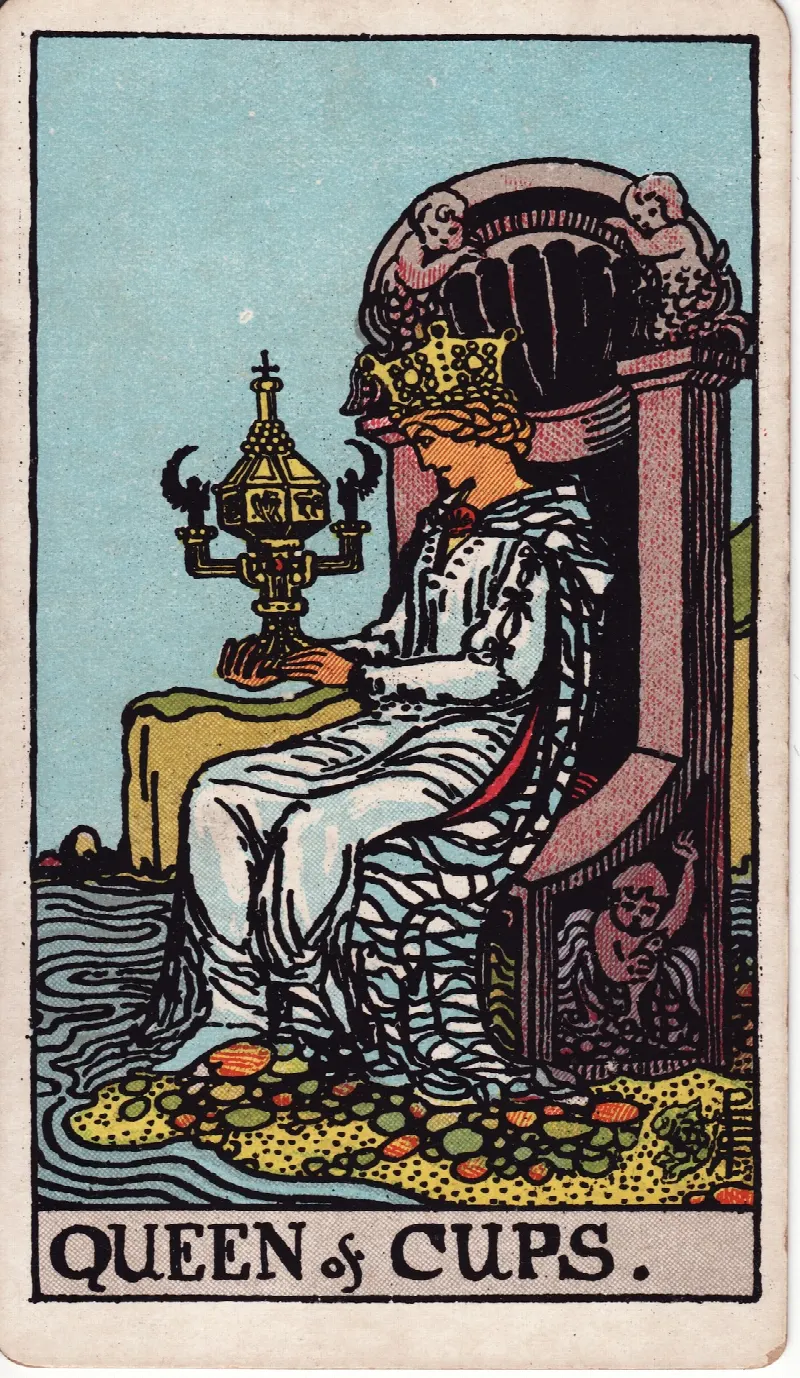
Take a moment to look at the images. What do you notice that the interpretation does not mention? Your own observations are a valuable layer of the reading, and they help you learn the cards. If a card intrigues you, read its full guide, for example The High Priestess.
After the reading
10. Choose one action
Every reading on TarotReading4U ends with suggested next steps. Pick the one that feels most doable and commit to it, or write your own. A reading that changes nothing you do is just a story; a reading that leads to one action becomes useful.
Habits to avoid
- Asking the same question repeatedly until you get the answer you want.
- Reading about one person over and over – it tends to deepen anxiety.
- Treating a reading as a guarantee or using it in place of professional advice for health, legal or money decisions.
A simple reflection template
If you like to journal, copy this after each reading:
- My question:
- The part of the reading that resonated most:
- The part I disagreed with, and why:
- One action I will take, and when:
- What happened (fill in a week later):
Ready to put these tips into practice? Start a reading, and if you would like to know exactly how readings are created on our site, read our guide to TarotReading4U.
Tarot is a tool for reflection and is not a substitute for professional medical, legal, financial or mental health advice.