What Is Tarot? A Beginner's Guide to Tarot Cards
Where Tarot comes from, how the 78 cards are organised, and what a reading can – and cannot – do for you.
Tarot is a deck of 78 illustrated cards. Each card carries an image full of symbols – a figure stepping off a cliff, a tower struck by lightning, a woman pouring water under a sky of stars – and over time each image has gathered a set of meanings. In a reading, cards are drawn and laid out in positions, and those images become prompts for thinking about a question in a new way.
That is the short answer. The longer answer is more interesting, because Tarot has lived several lives: as a card game, as an object of fascination for 18th-century occultists, and today as one of the most popular tools for self-reflection in the world.
Where Tarot comes from
The earliest surviving Tarot cards were painted in northern Italy in the 15th century. They were luxury objects made for noble families, and they were used to play a trick-taking game, not to tell fortunes. The game, known in Italian as tarocchi, spread across Europe and is still played in parts of France, Austria and Italy today.
The idea of Tarot as a tool for divination appeared much later, in late 18th-century France. Writers of the time linked the cards to ancient wisdom traditions – claims historians no longer accept – and began assigning meanings to each card. By the 19th century, Tarot had become part of the European esoteric revival.
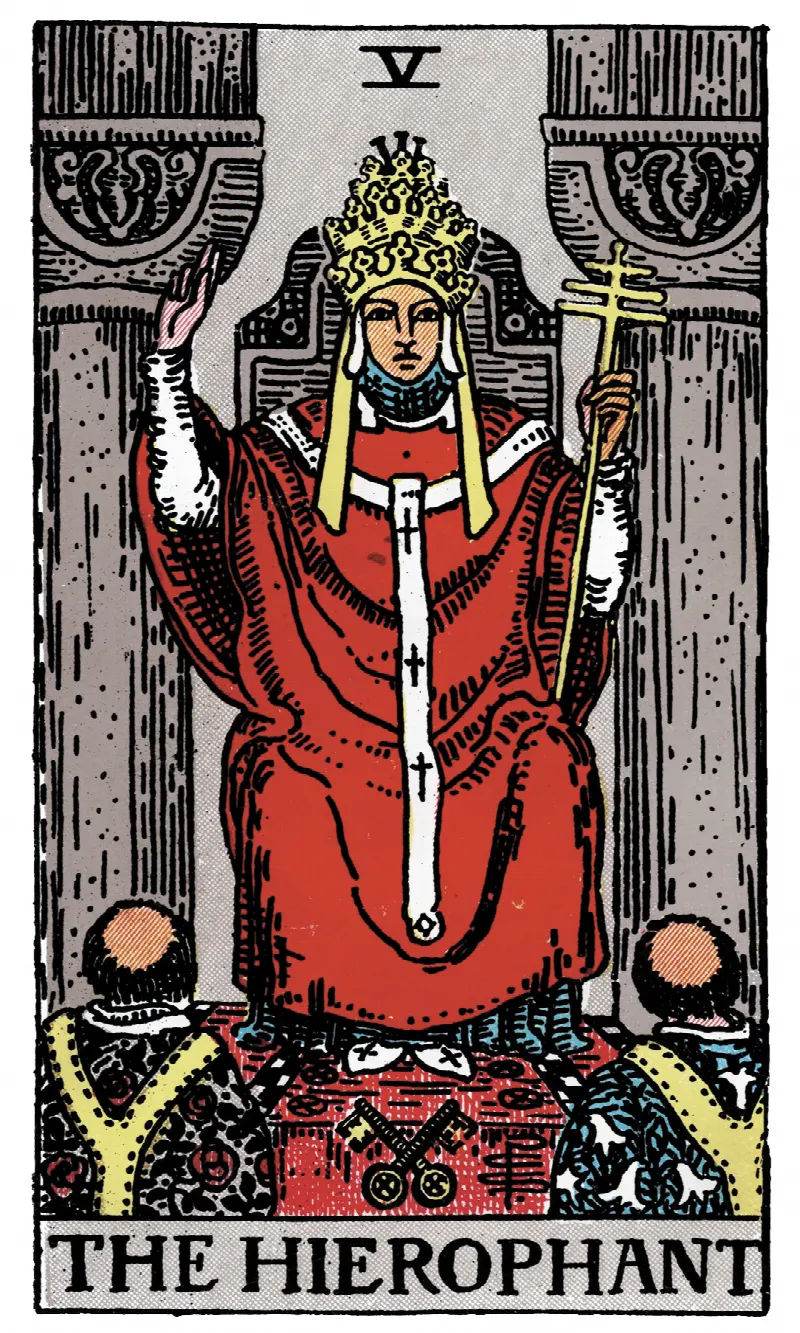
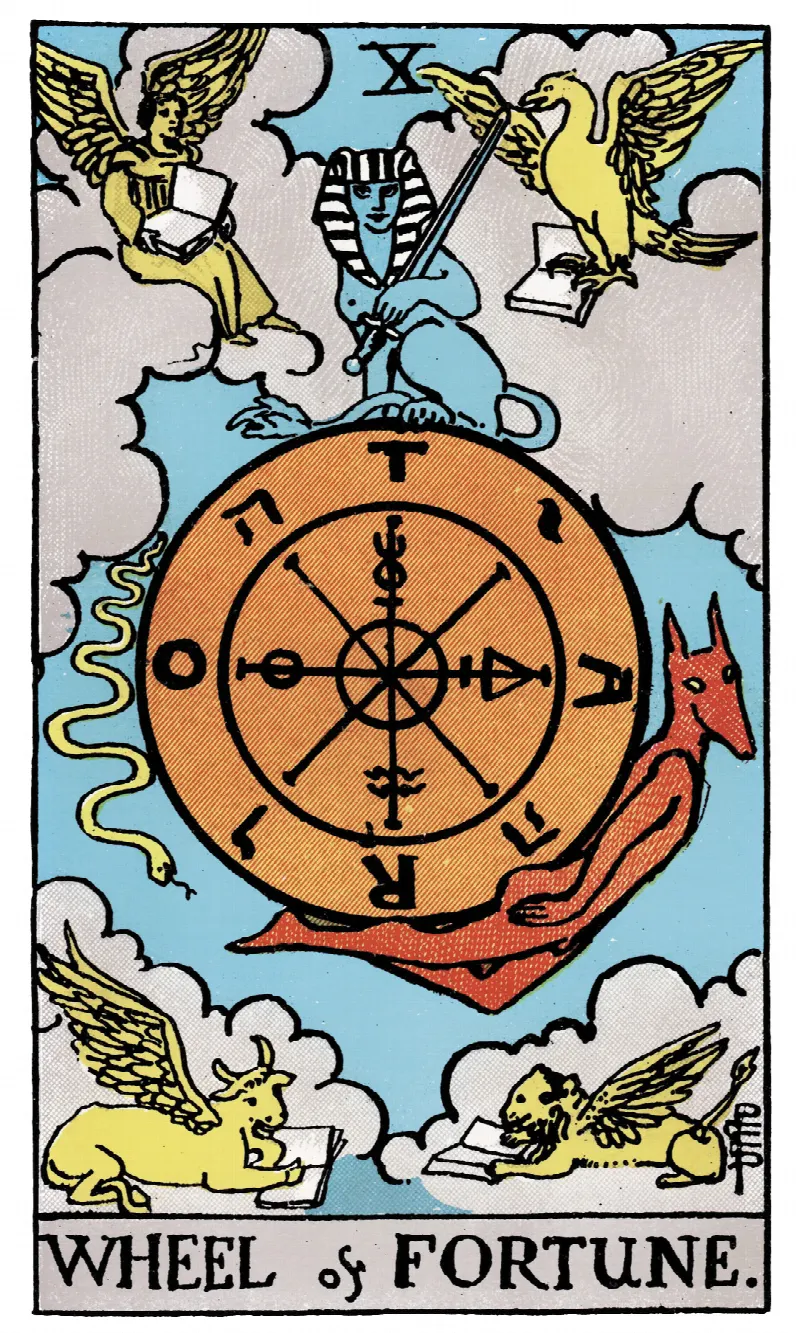
The deck most people picture today was published in London in 1909. It was designed by the artist Pamela Colman Smith under the direction of the scholar Arthur Edward Waite and published by William Rider & Son, which is why it is called the Rider-Waite-Smith deck. Smith's great innovation was to give every card, not only the major ones, a full illustrated scene. That made the deck far easier to read intuitively, and most modern decks still follow her compositions. It is the deck we use on TarotReading4U.
How the 78 cards are organised
A Tarot deck has two parts, and understanding them is the single most useful thing a beginner can learn.
The Major Arcana: 22 cards for life's big themes
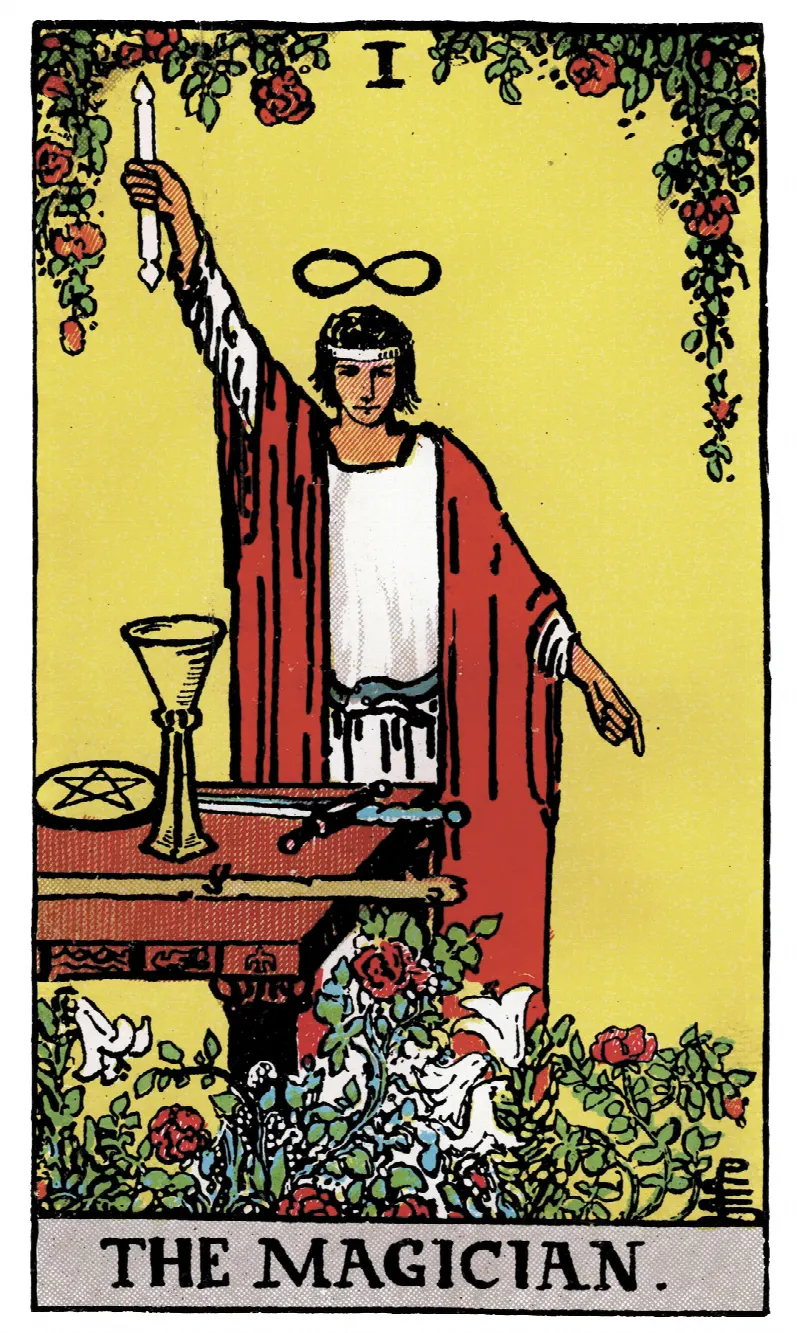
The Major Arcana are numbered from 0 to 21 and carry names rather than suits: The Fool, The Magician, The High Priestess, Death, The Star, The World and so on. They describe large forces and turning points – beginnings, choices, endings, hope, transformation. When a Major Arcana card appears in a reading, it usually signals that something significant is at stake.
The Minor Arcana: 56 cards for everyday life
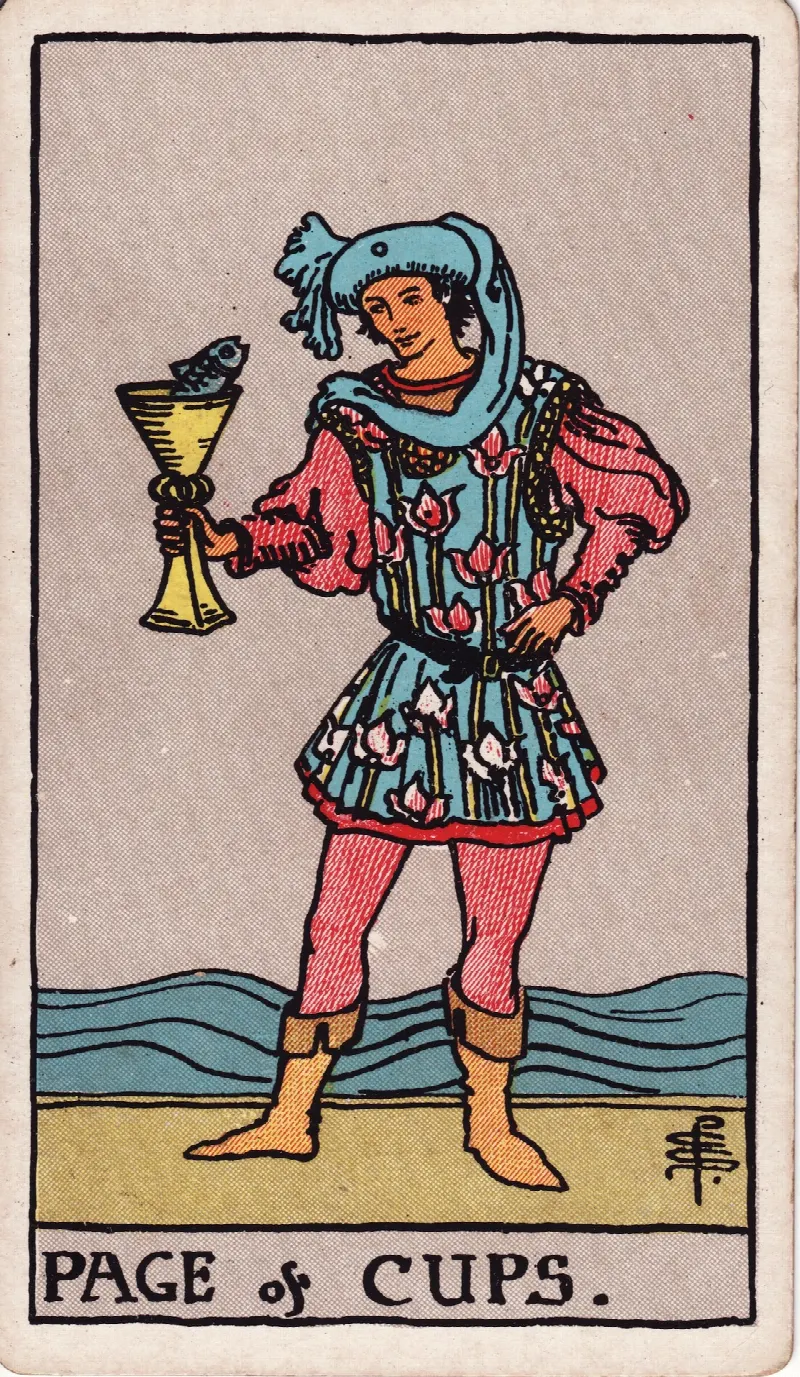
The Minor Arcana work much like a deck of playing cards. There are four suits, each with cards numbered from Ace to Ten plus four court cards (Page, Knight, Queen and King). They describe the situations, moods and people of ordinary days.
- Wands – energy, ambition, creativity and action.
- Cups – emotions, relationships and intuition.
- Swords – thoughts, communication, conflict and decisions.
- Pentacles – money, work, the body and practical matters.
If you want to go deeper, our guide to the Major Arcana vs. the Minor Arcana explains how to tell their messages apart in a reading.
Upright and reversed cards
When a card is drawn upside down it is called reversed. Many readers – including TarotReading4U – read reversals as a variation of the upright meaning rather than its opposite: the card's energy may be blocked, delayed, turned inward or showing its shadow side. A reversed Star, for example, still speaks of hope, but of hope that feels harder to reach right now.
What Tarot can and cannot do
People come to Tarot for many reasons. Some find it a calming ritual; others enjoy the art and symbolism; many use it to untangle a feeling or a decision. What a reading offers is perspective. The images give you a structured way to step back from a situation and look at it from angles you might not have considered: what is really driving it, what you might be avoiding, where it could lead.
What Tarot cannot do is guarantee an outcome. No card can tell you for certain what another person thinks, whether an investment will pay off, or what a medical result will be. At TarotReading4U we describe readings as reflection, not prediction – the cards show tendencies based on where you stand now, and your choices still shape what happens next. For health, legal, financial or mental health concerns, please speak to a qualified professional.
Do you need special powers to read Tarot?
No. Reading Tarot is a skill built from three things: knowing the basic meaning of the cards, understanding the position each card sits in, and being willing to connect both to a real situation. Intuition matters, but it grows with practice, much like learning to read poetry. Our guide on how to read Tarot cards for beginners walks you through your first readings step by step.
A simple way to begin
If you are curious, the easiest place to start is with one question and one card. Think of something on your mind – a choice at work, a relationship, a habit you want to change – and draw a single card. Before reading any definition, look at the image. What is happening in it? How does it make you feel? Then read its traditional meaning and notice where the two meet.
You can try exactly this with a free online Tarot reading: choose a topic, describe your situation in a few sentences and pick your own cards from a full, shuffled deck.
Key takeaways
- Tarot is a 78-card deck: 22 Major Arcana cards for big themes and 56 Minor Arcana cards in four suits for everyday life.
- It began as a 15th-century Italian card game; its use for reflection and divination dates from the late 18th century.
- The Rider-Waite-Smith deck of 1909 shaped how most people read Tarot today.
- A reading offers perspective and questions to sit with, not certainty about the future.
Tarot is a tool for reflection and is not a substitute for professional medical, legal, financial or mental health advice.